
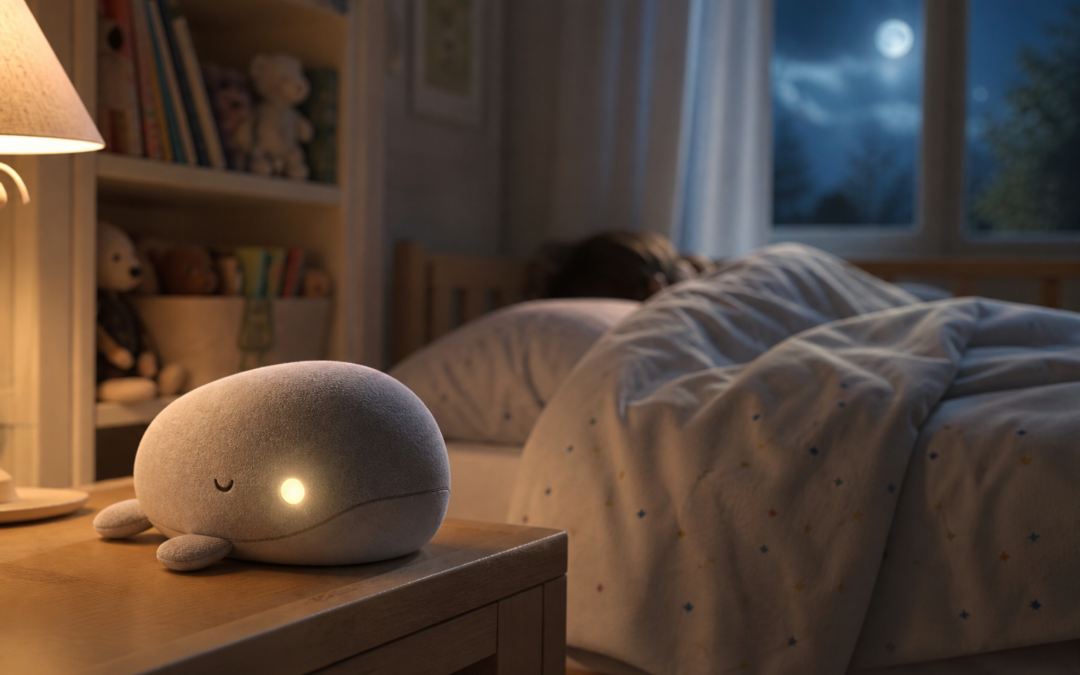
If parents are often told to reduce screens at bedtime, then handed sleep solutions that require a screen; Moonbuddy’s pitch is simpler, Moonbuddy is the kind of product that naturally catches your attention. The useful question is not whether the sales page sounds exciting. Sales pages are supposed to sound exciting. The better question is whether the product solves a specific bedtime friction point, whether the claims are reasonable, and whether it fits your actual sleep routine.
That is the angle for this review: the no-screen bedtime bridge for kids who need help shifting gears from day mode to sleep mode. We are looking at Moonbuddy as a potential presell candidate for Fast Sleep Fix readers, but we are keeping the claims clean, practical, and grounded.
Quick Verdict
Moonbuddy is worth considering if your sleep problem matches the product's narrow use case and you are comfortable checking the official instructions, current availability, return terms, and safety cautions before buying. It is not a cure-all, and it should not be treated as a substitute for medical care when symptoms point to a real sleep or health condition.
What Moonbuddy Is
- Moonbuddy is a child-focused breathing companion from Moonbird.
- Official materials describe it for children ages 6–12, with a tummy that expands and contracts for breathing guidance.
- The device is positioned as screen-free and does not require a phone, app, Wi-Fi, or Bluetooth during use.
In plain English: this is not something to buy because a landing page says it will transform your life overnight. It is something to evaluate because it may remove one specific source of bedtime friction. That is how we prefer to review sleep products: problem first, product second, miracle claims nowhere.
The Story Angle: Why This Product Makes Sense for Some Sleepers
The best sleep products usually do not create a new routine from scratch. They make an existing routine easier to repeat. Moonbuddy fits that pattern when the reader has a clear reason for wanting it: comfort, wind-down structure, breathing support, bedding stability, or a more consistent pre-sleep cue.
For affiliate marketing, that matters. A strong presell article should not shove a product at every sleepy reader. It should help the right reader recognize the problem, understand the product category, and decide whether the official product page is worth a closer look.
Who It May Be Best For
- parents building a calmer bedtime routine without tablets
- children who like tactile cues and simple routines
- families looking for a short guided breathing transition before lights out
If you are outside those groups, the product may still be interesting, but it becomes more of an experiment than a targeted fix. That is fine, as long as expectations stay realistic.
Claims We Are Comfortable With
Here is the safer, reader-friendly way to describe the product:
- designed to guide children through simple breathing rhythms
- may help some families create a calmer bedtime transition
- screen-free and app-free during bedtime use, according to official materials
Notice the language: designed to, may help, marketed as, intended for. Those words are not weak. They are accurate. Sleep, breathing, pain, stress, supplements, and children’s routines are areas where overclaiming can mislead readers quickly.
What to Be Careful About
- Do not position Moonbuddy as a treatment for anxiety, ADHD, insomnia, sensory disorders, or panic symptoms.
- Children with persistent sleep problems, severe anxiety, breathing issues, or developmental concerns should be supported by qualified professionals.
- Adult Moonbird research should not be overstated as proof for every child using Moonbuddy.
This is especially important for sleep-adjacent products. Snoring can be simple, but it can also be a sign of obstructive sleep apnea. Stress can be normal bedtime arousal, but it can also be a mental-health issue. Pain can be a pillow-fit problem, but it can also require clinical care. A product review should help readers sort that out instead of pretending a checkout button is a diagnosis.
How I Would Evaluate It Before Buying
Before considering Moonbuddy, use this quick checklist:
- Does the product match one clear problem I actually have?
- Are the instructions, sizing, ingredients, or safety cautions clear?
- Are there return terms or a trial period if it does not fit me?
- Am I avoiding medical claims that the product is not meant to make?
- If this involves supplements, snoring, breathing, pain, electrical stimulation, children, or chronic symptoms, have I checked whether professional advice is appropriate?
That checklist will filter out a surprising amount of impulse buying. Which is annoying for hype merchants, but excellent for readers.
Call to Action
Check current Moonbuddy availability, age guidance, and setup details on the official site before deciding whether it fits your child’s bedtime routine.
When affiliate links are added later, this article should use a clear disclosure near the recommendation and link only to the approved offer or official product page. For now, there are no affiliate links in this post.
Sources Reviewed
- https://www.moonbird.life/products/moonbuddy
- https://www.moonbird.life/pages/science
- https://intercom.help/moonbird/en/articles/11503143-what-makes-the-moonbuddy-different-from-the-moonbird
Bottom Line
Moonbuddy has a clean presell angle when it is matched to the right reader and described without inflated health promises. If the product addresses your specific bedtime friction point, the official site is the next place to check current details. If your sleep issue involves persistent insomnia, loud snoring with gasping, chronic pain, breathing symptoms, medication use, pregnancy, or a diagnosed condition, talk with a qualified healthcare professional before relying on any consumer sleep product.
Disclosure and Health Note
This article currently contains no affiliate links. Fast Sleep Fix may earn a commission if affiliate links are added later, at no extra cost to you. We do not provide medical advice, and product experiences vary. If you have persistent sleep problems, breathing symptoms, chronic pain, medication questions, pregnancy-related concerns, or a diagnosed medical condition, speak with a qualified healthcare professional before relying on any consumer sleep product.