Wake After Sleep Onset (WASO): What It Means When You Wake Up at Night
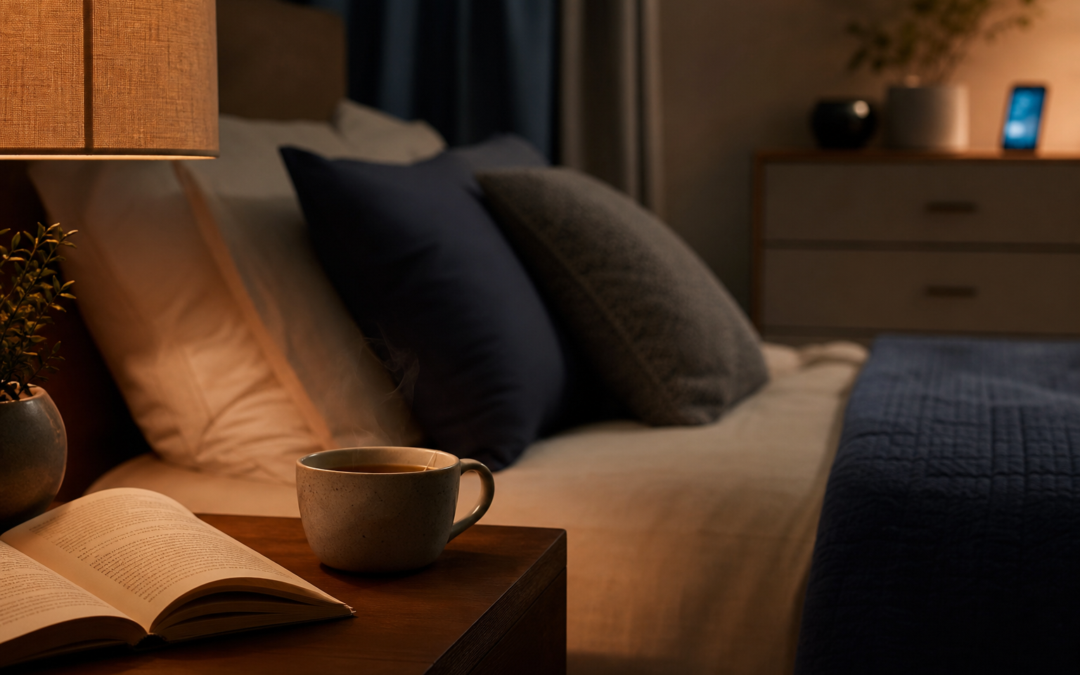
Article body Wake after sleep onset, often shortened to WASO, is the total amount of time you spend awake after first falling asleep and before your final morning wake-up. If you fall asleep at 10:30 p.m., wake for 20 minutes at 2:00 a.m., wake again for 10 minutes at...
Sleep Latency: How Long Should It Take to Fall Asleep?
Article body Sleep latency is the amount of time it takes to fall asleep after you are trying to sleep. If you get into bed, turn out the light, and fall asleep about 15 minutes later, your sleep latency is roughly 15 minutes. For many adults, falling asleep in about...
What Is Your Chronotype? How to Work With Your Natural Sleep Timing
What chronotype means Your chronotype is your natural tendency to feel sleepy, alert, hungry, and mentally sharp at certain times of day. Most people think of it as being an “early bird” or a “night owl,” but real life is usually less dramatic. Many people sit...
Light Sleep vs Deep Sleep: What Your Sleep Stages Actually Mean
If your sleep tracker says you spent most of the night in light sleep, it can feel like you failed some secret overnight exam. The reality is less dramatic: light sleep is a normal, necessary part of sleep, and deep sleep is only one piece of the recovery puzzle. A...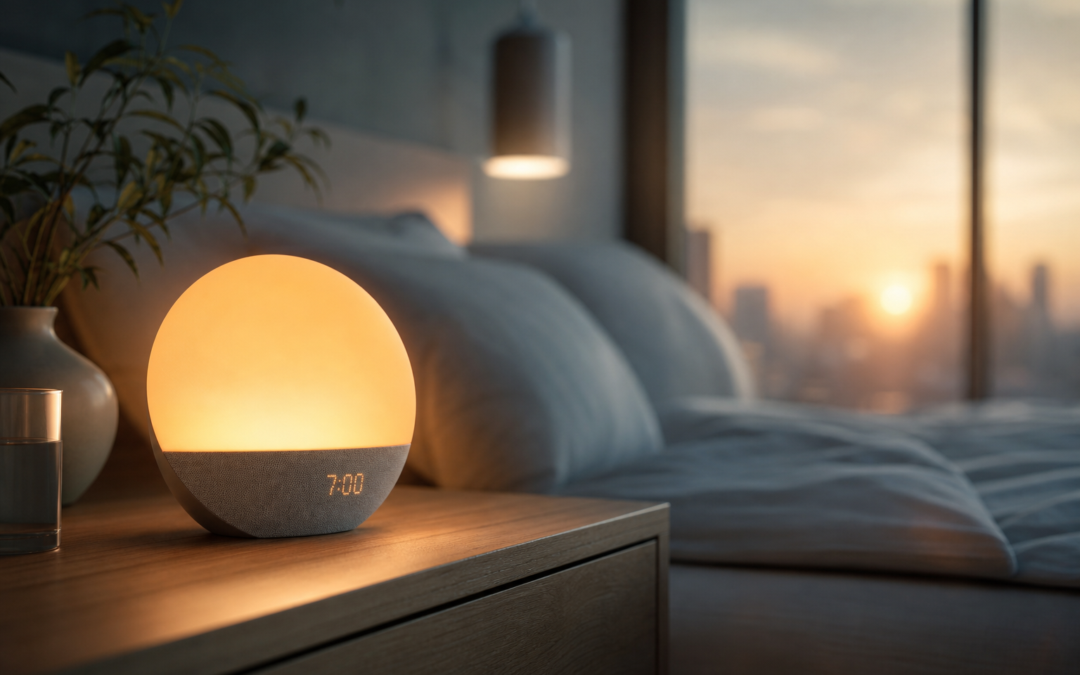
Morning Sunlight for Sleep: How Light Timing Helps Your Body Clock
Why morning light matters for sleep Morning sunlight is one of the simplest signals your body uses to keep sleep and wake timing on track. It does not work like a sleeping pill, and it is not a cure for insomnia. But consistent light exposure in the first part of the...Latest Sleep Guides
Fresh, practical reads for better sleep tonight.