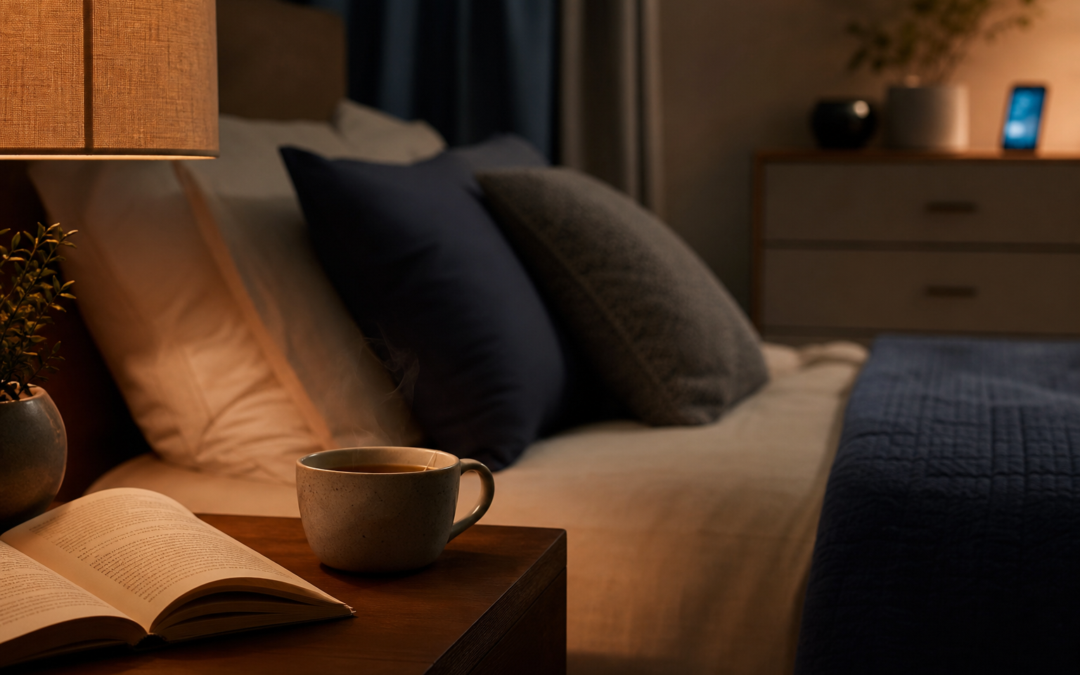
Wondering what to eat before bed usually starts with a very normal problem: you are tired, it is late, and your stomach has decided to submit a formal complaint. The goal is not to create a perfect sleep diet. The goal is simpler: avoid going to bed uncomfortably hungry, avoid eating so much that digestion keeps you awake, and build an evening routine your body can repeat.
For many people, a small, balanced snack can fit into a healthy bedtime routine. A heavy meal, a spicy plate, alcohol, or caffeine close to bedtime is more likely to cause problems. The sweet spot is usually boring in the best possible way: light, familiar, not too sugary, and not so large that your stomach feels like it is doing overtime.
If nighttime eating is tied to reflux, diabetes, pregnancy, medication changes, disordered eating concerns, severe daytime sleepiness, persistent insomnia, suspected sleep apnea, breathing pauses, pain, or any safety concern, talk with a qualified healthcare professional. Food timing can support sleep habits, but it is not a substitute for medical care.
Quick answer: the best bedtime snack is small and balanced
A sleep-friendly snack is usually:
- Small: enough to take the edge off hunger, not a second dinner.
- Balanced: a mix of carbohydrate plus a little protein or healthy fat.
- Low irritation: not spicy, greasy, acidic, or unusually rich.
- Caffeine-free: including hidden caffeine from chocolate, tea, some sodas, and energy drinks.
- Easy to repeat: something simple enough for normal weeknights.
Examples include oatmeal with milk, Greek yogurt with berries, a banana with peanut butter, whole-grain toast with a small amount of nut butter, or crackers with cheese. None of these are magic. They are just practical options that are less likely to backfire than a huge meal or a late caffeine habit.
Is it bad to eat before bed?
Not automatically. The problem is usually how much, what type, and how close to bedtime.
The National Heart, Lung, and Blood Institute advises avoiding heavy or large meals within a few hours of bedtime, while noting that a light snack is okay. That distinction matters. A small snack may help if hunger is keeping you alert. A large meal can make it harder to settle because digestion, reflux, temperature, and comfort all get dragged into the bedtime conversation.
A practical rule: if you are a little hungry, choose a small snack. If you are eating because you are stressed, bored, scrolling, or trying to compensate for skipped meals all day, the fix may be more about your daytime routine than the snack itself.
Best foods to eat before bed
1. Oatmeal or whole-grain cereal
A small bowl of oatmeal or a low-sugar whole-grain cereal with milk can be a good option because it is familiar, warm or comforting, and not overly heavy. Keep the portion modest and avoid turning it into dessert with a mountain of sugar.
Try it when: you want something warm, mild, and easy to digest.
2. Greek yogurt with fruit
Greek yogurt provides protein, while berries or sliced fruit add carbohydrate and flavor. Choose plain or lower-sugar options when possible. If dairy bothers your stomach, skip this one and choose a different snack.
Try it when: hunger is real but you do not want a full meal.
3. Banana with nut butter
A banana with a small spoonful of peanut, almond, or sunflower seed butter is simple and filling without being huge. The key phrase is small spoonful. Nut butters are dense, and more is not always better before bed.
Try it when: you want something quick and steady rather than crunchy snack chaos.
4. Whole-grain toast with a light topping
Toast with a thin layer of nut butter, avocado, or cottage cheese can work well for people who prefer a more solid snack. Keep it simple. Late-night toast does not need to become a seven-layer engineering project.
Try it when: you skipped part of dinner or feel too hungry to relax.
5. Crackers with cheese or hummus
A few whole-grain crackers with cheese or hummus can offer carbohydrate plus protein or fat in a controlled portion. This is better than eating directly from a box while standing in the kitchen pretending serving sizes are a government conspiracy.
Try it when: you want salty instead of sweet.
6. Herbal tea plus a small bite
Caffeine-free herbal tea can be part of a wind-down routine, especially if you pair it with a very small snack. Check labels carefully. Some teas are not caffeine-free, and some blends may include ingredients that are not a good fit for pregnancy, medications, or certain health conditions.
Try it when: you want a routine cue more than a full snack.
Foods and drinks that can backfire before sleep
Heavy meals
Large meals close to bedtime can leave you feeling too full, warm, or uncomfortable. If dinner tends to happen late, aim for a lighter dinner and move the larger meal earlier when possible.
Spicy, greasy, or acidic foods
Spicy food, fried food, tomato-heavy meals, citrus, and other acidic foods may bother some people, especially if reflux is part of the picture. If you often wake with burning, coughing, sour taste, or chest discomfort, ask a clinician for guidance instead of trying to self-diagnose it from a snack list.
Alcohol
Alcohol may make you feel sleepy at first, but it can disrupt sleep quality later in the night. It can also worsen snoring or breathing-related sleep concerns in some people. If snoring, gasping, or breathing pauses are present, do not treat alcohol as a sleep tool.
Caffeine, including hidden sources
Caffeine can last for hours. Coffee is obvious, but tea, cola, energy drinks, pre-workout products, and chocolate can also contribute. NHLBI notes that caffeine effects can last up to 8 hours, which is why afternoon caffeine can still be a bedtime problem for some people.
Very sugary snacks
A small sweet is not a moral failure. But a large sugar-heavy snack can make the evening feel more stimulating, especially if it comes with scrolling, bright light, and a second wind. If dessert is part of your routine, try keeping the portion small and pairing it with an earlier wind-down.
How long before bed should you stop eating?
A good default is to finish large meals at least two to three hours before bed when your schedule allows. If you need a snack later, keep it small and give yourself a little time before lying down.
If reflux is an issue, your clinician may recommend a longer gap, smaller evening meals, or other steps. If blood sugar management is part of your health plan, follow your clinician's advice rather than a generic sleep article.
What if you wake up hungry in the middle of the night?
Occasional hunger happens. Repeatedly waking hungry is more useful data.
Try checking:
- Did you eat enough protein, fiber, and calories during the day?
- Did you skip dinner or eat very early?
- Did alcohol or a sugary snack disrupt the night?
- Are you using caffeine late enough to delay sleep and shift hunger cues?
- Are stress, anxiety, or habit loops driving kitchen trips?
If middle-of-the-night eating becomes frequent, feels hard to control, or comes with weight changes, reflux, blood sugar symptoms, medication changes, or distress, talk with a qualified healthcare professional.
A simple bedtime snack formula
Use this formula when you want a snack but do not want to overthink it:
- Pick a small carbohydrate: toast, oats, crackers, fruit, or cereal.
- Add a little protein or fat: yogurt, milk, cheese, hummus, nuts, or nut butter.
- Keep the portion boring: snack size, not meal size.
- Avoid caffeine and alcohol: especially if sleep is already fragile.
- Repeat the same option for a week: consistency makes it easier to see whether it helps.
This gives you a stable routine without pretending one food is the secret button for perfect sleep.
Sample snack ideas by situation
If you are hungry but close to bedtime
Try half a banana with a small spoonful of nut butter, a few crackers with cheese, or a small bowl of cereal with milk.
If you want something warm
Try oatmeal, warm milk, or caffeine-free herbal tea with a small snack.
If you crave something sweet
Try yogurt with berries, a small bowl of cereal, or fruit with a little nut butter. Keep it measured rather than grazing from the container.
If reflux is a concern
Avoid spicy, greasy, acidic, and very large snacks close to bed. Consider asking a clinician about your symptoms, especially if reflux wakes you often or comes with chest discomfort, coughing, swallowing problems, or unexplained weight changes.
If snoring or breathing pauses are part of the night
Do not rely on food timing alone. Alcohol and heavy meals may make snoring worse for some people, but loud snoring, gasping, choking, or witnessed breathing pauses deserve medical evaluation.
The bigger picture: bedtime snacks work best with a routine
Food is only one piece of the evening. A good snack cannot fully cancel out late caffeine, bright screens, an overheated bedroom, irregular sleep timing, or stress that never gets a landing zone.
For the best chance of success, pair your snack with:
- A consistent bedtime and wake time.
- Lower light in the final hour.
- A phone cutoff or no-scroll rule.
- A cool, comfortable bedroom.
- A wind-down activity that does not involve work emergencies.
When the whole routine is calmer, the snack has less work to do.
Bottom line
The best thing to eat before bed is usually a small, familiar snack that combines carbohydrate with a little protein or fat. Oatmeal, yogurt with fruit, banana with nut butter, toast, or crackers with cheese can all be reasonable options.
Avoid turning bedtime into a heavy meal, alcohol routine, caffeine experiment, or sugar spiral. If symptoms are persistent, severe, or tied to breathing, reflux, pain, medication, blood sugar, or safety concerns, get medical guidance.
Related reading
- Caffeine Cutoff Time for Sleep: How Late Is Too Late?
- How to Create a Wind-Down Routine for Better Sleep
- Screens in Bed and Sleep: A Practical Phone Curfew That Works
- Best Bedroom Temperature for Sleep: Cool-Room Setup Guide
- How To Know If Snoring Might Be More Than Annoying
Sources
- National Heart, Lung, and Blood Institute: healthy sleep habit guidance, including advice to avoid heavy or large meals within a few hours of bedtime, avoid alcohol before bed, and watch caffeine timing.
- Centers for Disease Control and Prevention: general sleep-health education and sleep-duration guidance.
Disclosure and health note
Fast Sleep Fix publishes informational sleep-health content and may earn commissions if affiliate links are added to some articles in the future. No affiliate links are currently included in this article. This article is for general education only and is not medical advice. If you have persistent insomnia, suspected sleep apnea, breathing pauses, loud snoring, severe daytime sleepiness, reflux symptoms, blood sugar concerns, pain, medication or supplement questions, pregnancy-related sleep concerns, disordered eating concerns, or any safety concern, talk with a qualified clinician.