
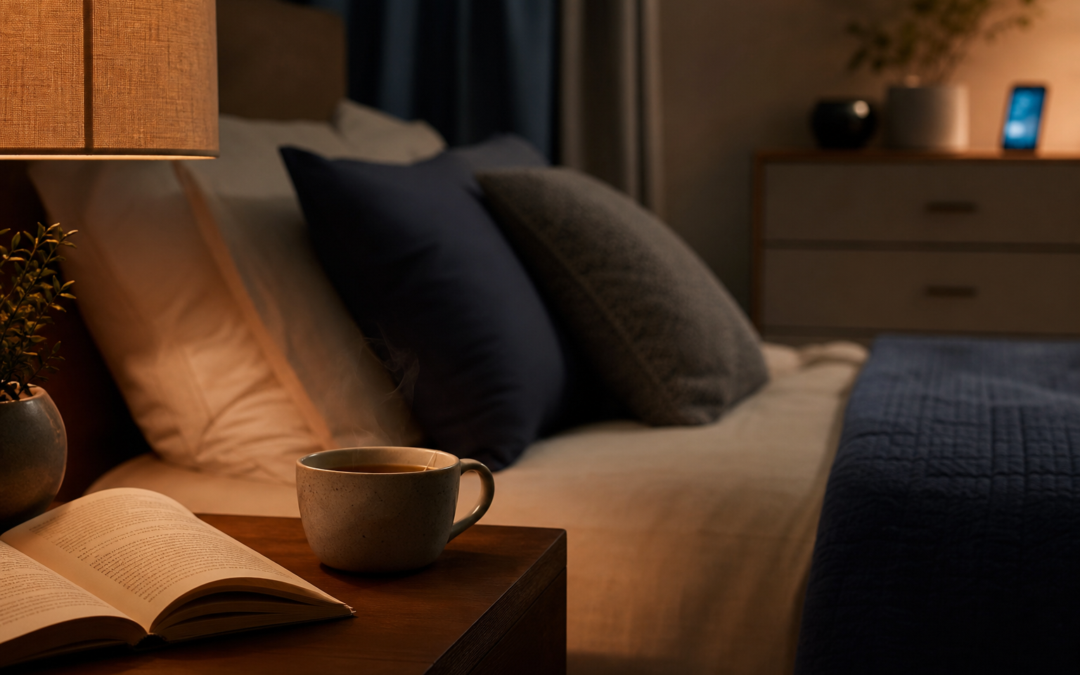
Why “sleep divorce” sounds scarier than it is
“Sleep divorce” is a dramatic name for a simple idea: two partners choose to sleep separately some or all of the time so both people can get better rest. It may mean separate blankets, separate beds in the same room, different bedrooms on work nights, or a flexible plan that changes when travel, illness, stress, or snoring flare-ups get in the way.
The important part is that sleeping apart is not automatically a relationship problem. For some couples, it is a practical sleep arrangement. If one person snores, moves a lot, runs hot, wakes early, scrolls late, works shifts, or needs a different mattress feel, forcing both people into one setup can turn bedtime into a nightly negotiation.
A better question is not “Should couples always sleep in the same bed?” It is: “Which setup helps both people sleep well and still feel connected?”
When sleeping apart may make sense
Sleeping apart can be worth considering when the shared bed is consistently costing one or both partners sleep. Occasional disruption is normal. Repeated disruption is different.
Common reasons couples try separate sleep spaces include:
- Loud or frequent snoring
- Different wake times or shift-work schedules
- One partner running hot while the other gets cold
- Restless movement, tossing, turning, or blanket stealing
- Different mattress firmness or pillow needs
- Light sensitivity, noise sensitivity, or different white-noise preferences
- Pets or children repeatedly interrupting one partner more than the other
- A partner needing medical equipment, recovery space, or a different sleep position
If the current setup causes resentment, daytime fatigue, or bedtime anxiety, experimenting with a new arrangement may be healthier than pretending the problem is not there. Sleep deprivation is not romantic. It is just a terrible roommate with branding issues.
Sleeping apart does not have to mean emotional distance
The biggest fear around sleep divorce is usually not the sleep part. It is the relationship meaning people attach to it.
That is why the conversation matters. A separate sleep arrangement works best when it is framed as a shared solution, not a rejection. The goal is not “I need to get away from you.” The goal is “I want both of us to feel better during the day, and our current sleep setup is not working.”
Couples can also protect connection with simple rituals:
- Spend 15 to 30 minutes together before separating for sleep.
- Keep the same goodnight routine, even if you finish the night in different rooms.
- Use separate rooms only on work nights or difficult nights.
- Revisit the plan after two weeks instead of making it feel permanent immediately.
- Be clear that the arrangement is about sleep quality, not affection.
For some couples, the best answer is not separate bedrooms. It might be separate blankets, a larger mattress, a cooler room, earplugs, a white-noise machine, or moving pets out of the bed. Start with the least disruptive fix that addresses the actual problem.
The snoring caveat: do not ignore possible sleep apnea
Snoring is one of the biggest reasons couples consider sleeping apart. Sometimes snoring is mostly a noise issue. Other times, it may be a sign that the snorer should be evaluated by a clinician.
Consider medical guidance if snoring is loud, frequent, or paired with breathing pauses, gasping, choking, morning headaches, high blood pressure, or severe daytime sleepiness. Those signs can point to sleep-disordered breathing, including obstructive sleep apnea. A separate room may help the partner sleep, but it should not become a way to ignore symptoms that deserve proper evaluation.
The same goes for persistent insomnia, ongoing pain, medication questions, anxiety that feels unmanageable, or safety concerns such as drowsy driving. Sleep setup changes can support rest, but they are not a substitute for medical care when symptoms are significant or persistent.
Try a “sleep trial” before making it a big identity decision
A trial removes some of the emotional weight. Instead of declaring a permanent sleep divorce, test a specific setup for a short period and measure how both people feel.
A useful two-week trial might look like this:
- Pick the main problem: snoring, heat, movement, schedule mismatch, light, noise, or mattress comfort.
- Choose the smallest realistic change: separate blankets, earplugs, different bedtimes, a white-noise machine, separate beds, or separate rooms.
- Agree on the nights you will test it.
- Track simple signals: how long it takes to fall asleep, number of wakeups, morning energy, mood, and whether either partner feels disconnected.
- Review the results without treating the trial like a pass/fail test of the relationship.
If both partners feel more rested and still connected, the setup may be worth keeping. If one partner sleeps better but feels emotionally distant, add connection rituals before changing the sleep arrangement again.
Separate beds, separate blankets, or separate rooms?
Not every couple needs the same level of separation. Match the fix to the friction.
Separate blankets
This is often the easiest first step for couples who wake up because of blanket pulling, different temperature preferences, or one person feeling trapped under bedding. Two blankets can make one bed feel less like a small-scale border dispute.
Separate mattresses or a split king
A split mattress can help when one partner needs a firmer surface, moves a lot, or wakes the other with motion transfer. This option keeps partners close while reducing some physical disruption.
Same room, separate beds
Separate beds can work when closeness matters but movement, space, or mattress preferences are the main issue. It can also be useful during injury recovery or temporary sleep disruption.
Separate rooms
Separate rooms may be the cleanest solution when snoring, shift schedules, insomnia patterns, light use, alarms, or medical equipment repeatedly disrupt sleep. If you choose separate rooms, build in intentional connection before sleep so the arrangement does not become accidental emotional drift.
How to talk about sleep divorce without starting a fight
Lead with the shared outcome: better rest for both people. Avoid blaming language, especially if snoring, movement, or insomnia is not fully under the person’s control.
Try language like:
- “I love sleeping near you, but I’m struggling to function during the day. Can we test a setup that helps both of us rest?”
- “This does not mean I want distance. I want us to stop being exhausted and irritated.”
- “Can we try separate blankets or separate rooms on work nights for two weeks and then check in?”
- “If snoring is part of this, I also want us to make sure there is not a health issue we should look at.”
Avoid language like:
- “You’re ruining my sleep.”
- “I can’t sleep because of you.”
- “Normal couples sleep together, so we have to make this work.”
- “Separate bedrooms means something is wrong with us.”
The first group invites teamwork. The second group invites defense counsel. Choose accordingly.
What if only one person wants to sleep apart?
This is common. One partner may be desperate for rest while the other hears “separate rooms” as rejection.
If that happens, slow the decision down. Start with a smaller experiment: separate blankets, a better pillow setup, a white-noise machine, a temperature adjustment, or a planned separate-room night before an early workday. Agree on a time-limited trial and include a reconnection habit, such as reading together, talking before bed, or having coffee together in the morning.
It also helps to separate two questions:
- What sleep setup gives each person the best chance of rest?
- What routines help the relationship feel close?
Trying to answer both questions with “same bed every night” may work for some couples. It does not work for everyone.
A simple decision checklist
Consider a sleep-divorce trial if most of these are true:
- One or both partners wake up repeatedly because of the other person’s sleep habits.
- The problem has lasted more than a few occasional nights.
- Daytime mood, energy, focus, or patience is suffering.
- You have tried smaller fixes and they were not enough.
- Both partners are willing to protect connection outside the sleep window.
- Possible medical red flags, especially loud snoring with breathing pauses or severe daytime sleepiness, are being taken seriously.
Hold off or get more support if the separate sleep idea is being used to avoid a relationship conflict, punish a partner, or ignore symptoms that should be evaluated.
Bottom line
Sleep divorce is not automatically good or bad. It is a tool. Used thoughtfully, it may help couples reduce sleep disruption, protect daytime energy, and stop turning bedtime into a nightly argument. Used silently or defensively, it can create distance.
The best version is practical and kind: name the sleep problem, test the smallest useful change, keep connection rituals, and get clinical guidance when symptoms suggest something more than normal sleep disruption.
Disclosure and health note
Fast Sleep Fix publishes sleep-health education and product research. No affiliate links are currently included in this article. If affiliate links are added in the future, we may earn a commission at no extra cost to you. Sleep tips and bedroom changes may support healthy sleep routines, but they are not medical care. If you have persistent insomnia, loud snoring with breathing pauses, severe daytime sleepiness, pain, medication questions, suspected sleep apnea, or any safety concern such as drowsy driving, talk with a qualified clinician.