
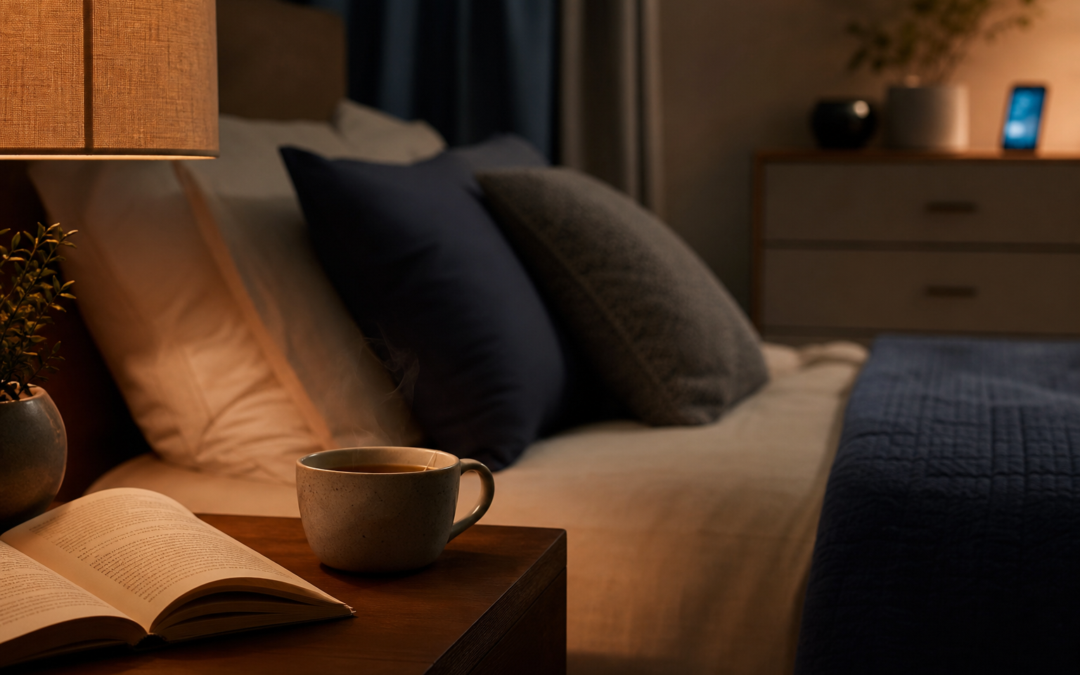
Sleep hygiene is not one magic trick. It is the set of habits, timing cues, and bedroom conditions that make sleep easier for your body to repeat. A good sleep hygiene checklist helps you stop guessing and start changing the pieces that actually shape your night.
The short version: keep your wake time steady, protect the final hour before bed, make your bedroom cool and dark, reduce late caffeine and alcohol, and get medical guidance if sleep problems are persistent, severe, or paired with symptoms such as loud snoring, breathing pauses, or heavy daytime sleepiness.
Use this as a practical checklist, not a perfection test. Better sleep habits work best when they are realistic enough to repeat.
What sleep hygiene means
Sleep hygiene refers to the routines and environment that support consistent, good-quality sleep. That includes when you wake up, how much light you get during the day, what you do before bed, and whether your bedroom helps your brain wind down.
It matters because sleep quality is not only about total hours. The CDC notes that healthy sleep includes both enough sleep and good sleep quality. For many adults, that means at least 7 hours, but the way those hours feel also matters: fewer awakenings, easier mornings, and better daytime alertness.
Sleep hygiene can support healthier sleep patterns, but it is not a cure for every sleep problem. If you have ongoing insomnia, suspected sleep apnea, restless legs, severe daytime sleepiness, or safety concerns such as drowsy driving, it is time to talk with a qualified clinician.
The simple sleep hygiene checklist
Start with the basics below. You do not need to change all of them tonight. Pick two or three that seem most relevant, test them for a week, then adjust.
1. Keep the same wake time most days
A consistent wake time gives your body clock a stable anchor. NHLBI recommends going to bed and waking up at the same time every day and limiting big schedule swings between weekdays and weekends.
That does not mean life has to become robotic. It means your body usually does better when Monday morning is not a complete shock after a weekend of late nights and sleeping in.
Try this:
- Choose a wake time you can keep on most days.
- Keep weekend wakeups within about an hour of your weekday schedule when possible.
- If your schedule is badly shifted, move it gradually instead of forcing a dramatic reset.
Related reading: What Is Your Chronotype? How to Work With Your Natural Sleep Timing
2. Give yourself enough time in bed
A checklist cannot help much if your schedule only allows five or six hours of sleep. CDC guidance says most adults need at least 7 hours per night, while older adults may still need around 7 to 8 or 7 to 9 hours depending on age and individual needs.
Work backward from your wake time. If you need to be up at 6:30 a.m., a realistic bedtime window may be closer to 10:00 or 10:30 p.m. than midnight.
Try this:
- Set a target bedtime based on your wake time, not wishful thinking.
- Add a 30- to 60-minute wind-down buffer before lights out.
- Track how you feel after a week instead of judging one night.
Related reading: How Much Sleep Do Adults Need? A Practical Guide to Your Sleep Number
3. Protect the final hour before bed
The hour before bed should tell your brain that the day is ending. NHLBI recommends using that time for quiet activity and avoiding intense exercise and bright artificial light from screens.
A wind-down routine does not need candles, a spa playlist, or an elaborate ritual. It can be boring. Boring is often the point.
Try this:
- Dim bright lights during the final hour.
- Move stressful planning, bills, or work messages earlier in the evening.
- Choose a repeatable cue: shower, light stretching, reading, breathing practice, or quiet music.
- Keep the routine short enough that you will actually do it.
Related reading: How to Create a Wind-Down Routine for Better Sleep
4. Set a screen cutoff you can keep
Screens are not automatically the villain, but late-night scrolling can combine bright light, mental stimulation, social stress, and time drift. The CDC recommends turning off electronic devices at least 30 minutes before bedtime.
If a full phone ban feels unrealistic, make the first goal smaller: no social feeds in bed, notifications off, brightness down, and the phone charging away from your pillow.
Try this:
- Set a 30-minute screen cutoff as the baseline.
- Use night mode and lower brightness earlier in the evening.
- Put the most tempting apps behind focus mode after your cutoff.
- Keep the bed for sleep and intimacy rather than scrolling.
Related reading: Screens in Bed and Sleep: A Practical Phone Curfew That Works
5. Make the bedroom cool, dark, quiet, and comfortable
Your bedroom should reduce friction. CDC and NHLBI both recommend a quiet, cool, dark sleep environment. This is one of the easiest sleep hygiene areas to troubleshoot because the changes are concrete.
Try this:
- Lower the thermostat or use lighter bedding if you sleep hot.
- Block outside light with curtains, a sleep mask, or reduced device glow.
- Use earplugs, a fan, or steady background sound if noise wakes you.
- Check whether your pillow, mattress, or bedding is causing discomfort.
Related reading: Best Bedroom Temperature for Sleep: Cool-Room Setup Guide
6. Watch caffeine timing
Caffeine can linger longer than people expect. NHLBI notes that caffeine can interfere with sleep and that its effects may last up to 8 hours. If you are sensitive to caffeine, an afternoon coffee can still matter at bedtime.
Try this:
- Set a caffeine cutoff at least 8 hours before bed as a starting test.
- Remember that tea, soda, energy drinks, chocolate, and some supplements can contain caffeine.
- If you still feel wired at night, move the cutoff earlier for one week.
Related reading: Caffeine Cutoff Time for Sleep: How Late Is Too Late?
7. Be careful with alcohol close to bed
Alcohol can make you feel sleepy at first, but it may also fragment sleep later in the night. CDC recommends avoiding alcohol before bedtime, and NHLBI includes alcoholic drinks among the things to avoid close to bed.
Try this:
- Notice whether nights with alcohol include more awakenings, sweating, bathroom trips, or early-morning wakeups.
- Move alcohol earlier or skip it for a week as a simple experiment.
- Avoid using alcohol as a sleep aid.
Related reading: Alcohol and Sleep: Why a Nightcap Can Backfire
8. Keep dinner sleep-friendly
Large or heavy meals close to bedtime can make it harder to settle, especially if they trigger reflux, discomfort, or repeated bathroom trips. NHLBI recommends avoiding heavy or large meals within a few hours of bedtime, while noting that a light snack may be okay.
Try this:
- Finish large meals a few hours before bed when possible.
- Keep late snacks simple and moderate.
- Watch for personal triggers such as spicy foods, rich meals, or too much liquid late at night.
Related reading: What to Eat Before Bed: Sleep-Friendly Snacks Without Overdoing It
9. Get daylight and movement earlier in the day
Your body clock responds to light, activity, meals, and routine. NHLBI recommends spending time outside when possible and being physically active. Morning light can be especially helpful for reinforcing wakefulness at the start of the day.
Try this:
- Get outside or near bright window light soon after waking.
- Add regular daytime movement, even if it is only a walk.
- Keep intense workouts away from the final wind-down period if they leave you energized.
Related reading: Morning Sunlight for Sleep: How Light Timing Helps Your Body Clock
10. Use naps carefully
Naps can help some people, especially after a short night, but they can also reduce sleep pressure if they are long or late. NHLBI suggests that adults who have trouble falling asleep at night should limit naps or take them earlier in the afternoon, and says adult naps should be no more than 20 minutes.
Try this:
- Keep naps short, around 10 to 20 minutes.
- Nap earlier in the afternoon rather than close to dinner.
- Skip naps temporarily if they make bedtime harder.
Related reading: Napping and Night Sleep: How Long Is Too Long?
A 7-night sleep hygiene reset
If the full checklist feels like too much, use this simple 7-night reset:
- Pick one wake time and keep it steady.
- Set a caffeine cutoff.
- Create a 30-minute phone curfew.
- Cool and darken the bedroom.
- Keep dinner and alcohol earlier.
- Add morning light.
- Review what helped, then keep the two habits with the biggest payoff.
Do not treat one rough night as failure. Sleep habits are pattern work. The goal is to make good sleep more likely over time.
When sleep hygiene is not enough
Sleep hygiene is a strong first step, but it is not a substitute for medical care. Talk with a qualified clinician if you regularly cannot fall asleep or stay asleep, feel very sleepy during the day, snore loudly, wake gasping, have witnessed breathing pauses, experience leg sensations that disrupt sleep, use medication or supplements for sleep, or feel unsafe driving or working because of sleepiness.
Also seek guidance if pain, anxiety, depression, reflux, menopause symptoms, pregnancy, shift work, or another health issue is disrupting sleep. The right fix depends on the cause.
Sources
- NHLBI: Healthy Sleep Habits
- CDC: About Sleep
- NHS: Sleep and tiredness
- Sleep Foundation: Sleep Hygiene
Disclosure and health note
Fast Sleep Fix may earn a commission if you buy through links on our site in articles that contain product recommendations or affiliate links. This article does not contain affiliate links. The information here is for general education only and is not a diagnosis or treatment plan. If you have persistent insomnia, loud snoring, breathing pauses, severe daytime sleepiness, pain, medication or supplement questions, or any safety concerns, talk with a qualified healthcare professional.