
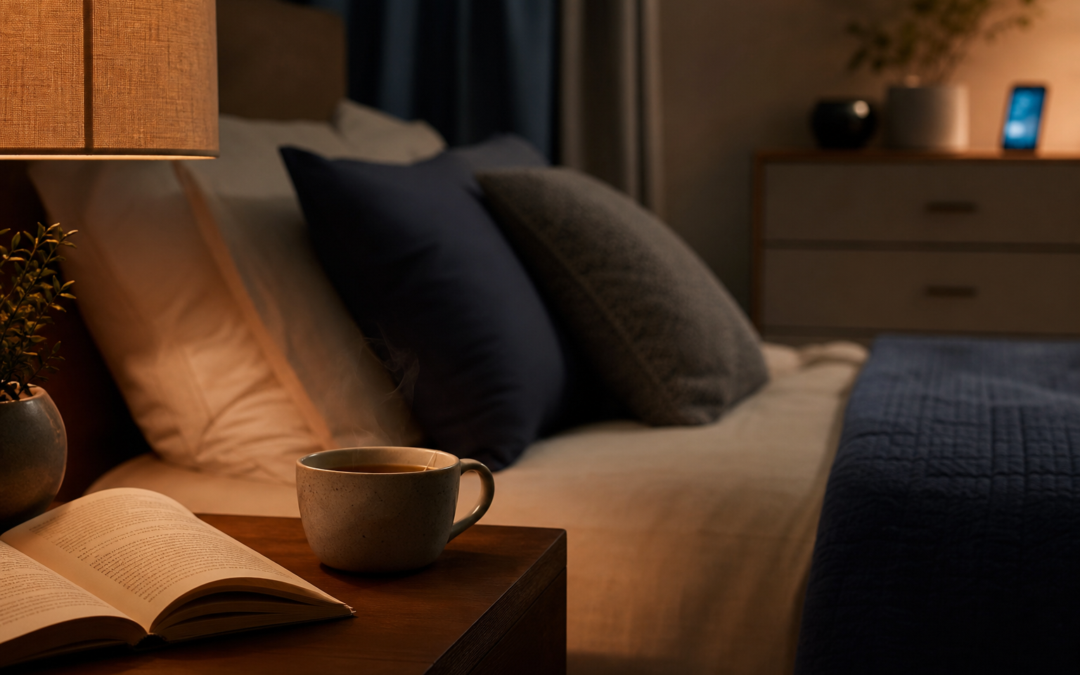
Waking up once in a while to use the bathroom is common. Waking up repeatedly, losing sleep, or feeling drained the next day is different. Frequent nighttime urination is often called nocturia, and it can come from simple timing issues, sleep disruption, medications, bladder or prostate concerns, fluid shifts, or other health conditions.
The practical starting point is to track the pattern for a few nights, move most fluids earlier in the day, limit alcohol and caffeine close to bedtime, make bathroom trips low-light and safe, and talk with a clinician if the pattern is frequent, new, worsening, painful, paired with heavy daytime sleepiness, or connected to medication or health concerns.
Is it normal to wake up to pee at night?
An occasional bathroom trip is not automatically a problem. Cleveland Clinic notes that nocturia is waking up more than once during the night because you have to pee, and that it becomes more common with age. The U.S. National Library of Medicine's StatPearls review defines nocturia as needing to get up at night to urinate, with sleep before and after the episode.
The key question is not whether it has ever happened. The better question is whether it is repeatedly breaking your sleep.
Nighttime bathroom trips matter because they can fragment sleep. Even if you fall back asleep quickly, multiple awakenings may leave you groggy, less focused, or more irritable the next day. For older adults, repeated dark-room bathroom trips can also raise fall risk, especially if the path is cluttered or lighting is poor.
Common reasons you may wake up to pee
Nighttime urination can have more than one cause. That is why guessing from one night is not very useful. Look for patterns across a week.
Late fluids
Drinking a lot in the final hour or two before bed can increase the odds that your bladder wakes you later. This does not mean you should dehydrate yourself. It means shifting more of your fluid intake earlier in the day and tapering near bedtime if nighttime trips are a problem.
A small sip for thirst, medication, or dry mouth is different from a large bottle of water beside the bed.
Alcohol and caffeine timing
Alcohol can increase nighttime awakenings and may also increase bathroom trips for some people. Caffeine can act as a bladder irritant for some people and can also make sleep lighter or harder to return to after an awakening. If you drink coffee, tea, cola, energy drinks, or alcohol later in the day, track whether those nights are worse.
Medications and supplement timing
Some medications, including diuretics or “water pills,” can increase urination. Do not change medication timing or dose on your own. If nighttime bathroom trips started after a medication change, ask your clinician or pharmacist whether timing could be contributing and what is safe for your situation.
Supplements and sleep drinks can matter too. Some bedtime beverages add more fluid than people realize, and some ingredients may interact with medications or health conditions.
Sleep disruption that turns into a bathroom habit
Sometimes you wake for another reason — noise, stress, temperature, snoring, pain, a partner moving — and then decide to use the bathroom because you are already awake. Over time, this can feel like the bathroom trip caused the wakeup even when the first trigger was something else.
This is why a simple sleep diary helps. Note whether you woke with a strong urge to urinate, or whether you woke first and then went “just in case.”
Bladder, prostate, pelvic, or health conditions
Nocturia can be connected with bladder storage issues, overactive bladder symptoms, urinary tract problems, prostate enlargement, pregnancy or postpartum changes, menopause, swelling in the legs, diabetes, high blood pressure, heart conditions, sleep apnea, restless legs symptoms, and other medical issues.
That list is not there to scare you. It is there because repeated nighttime urination is not always just “too much water.” If the pattern is frequent or changing, it deserves a proper conversation.
A simple 7-night tracking plan
Before overhauling your routine, collect a little data. Keep it simple enough that you will actually do it.
For seven nights, write down:
- Bedtime and final wake time
- What time you stopped larger drinks
- Alcohol and caffeine timing
- Any late salty meal or heavy snack
- Number of bathroom trips after lights out
- Whether each trip felt urgent or more like “I am awake anyway”
- Pain, burning, leaking, unusual thirst, or other symptoms
- Snoring, gasping, breathing pauses, or severe daytime sleepiness
- Medication or supplement timing
You do not need perfect measurements. The goal is to spot patterns. If you already have significant symptoms, do not wait a week to get help just to complete the diary.
What to try first if symptoms are mild
These steps are reasonable starting points for many people, but they are not a substitute for medical care when red flags are present.
Move hydration earlier
Front-load more fluids earlier in the day. Then taper in the evening so you are not catching up with a large bottle right before bed.
A practical experiment:
- Drink normally during the morning and afternoon.
- Keep dinner fluids moderate.
- Reduce large drinks in the final 2 to 3 hours before bed.
- Keep a small sip available if you are thirsty or need medication.
Do not restrict fluids aggressively, especially if you have kidney issues, are pregnant, exercise heavily, work in heat, take medications that affect hydration, or have been told to maintain a certain fluid intake.
Watch alcohol and caffeine
For one week, try avoiding alcohol close to bedtime and moving caffeine earlier in the day. If you already have a caffeine cutoff, compare nights when you follow it with nights when you do not.
Related reading: Caffeine Cutoff Time for Sleep: How Late Is Too Late? and Alcohol and Sleep: Why a Nightcap Can Backfire.
Keep bathroom trips boring and low-light
If you do get up, keep the trip safe but unstimulating.
- Use the dimmest safe light.
- Keep the path clear.
- Avoid checking your phone.
- Avoid turning the wakeup into problem-solving time.
- Return to bed calmly instead of judging the night.
A small motion night-light may be safer than total darkness, especially for older adults, children, travel, caregiving, or anyone with balance concerns.
Related reading: How to Make Your Bedroom Darker for Sleep.
Reduce “just in case” trips when appropriate
If you wake for noise, stress, or a dream and have no real urge to urinate, notice whether you are using the bathroom out of habit. Some people accidentally train a wake-bathroom-wake loop.
Do not ignore a strong urge. Do not delay urination if it causes pain, leakage, or distress. But if it is clearly just a habit, a clinician or pelvic health professional can help you decide whether behavior changes make sense.
Check the sleep environment
Bathroom trips may be the visible part of a bigger sleep-disruption pattern. If you wake hot, startled, uncomfortable, or alert, work on the trigger too.
Useful starting points:
- Keep the room cool enough for sleep.
- Reduce hallway and device light.
- Manage partner noise, pet disruptions, and outside sound.
- Avoid heavy meals close to bed if they trigger reflux or discomfort.
- Use a consistent wake time when possible.
Related reading: Why Do I Wake Up at 3 AM Every Night? and Sleep Maintenance Insomnia: What to Try When You Can Fall Asleep But Not Stay Asleep.
When to ask a clinician
Talk with a clinician if nighttime urination is frequent, new, worsening, or affecting your daytime function. Also get medical advice if you notice:
- Pain, burning, blood in urine, fever, or pelvic pain
- New or intense thirst
- Swelling in the legs or shortness of breath
- Bedwetting or leakage that is new for you
- Two or more bathroom trips most nights
- Severe daytime sleepiness or drowsy driving
- Loud snoring, gasping, choking, or witnessed breathing pauses
- Pregnancy, postpartum concerns, menopause symptoms, prostate symptoms, or pelvic pressure
- Medication questions, especially diuretics, blood pressure medication, lithium, or sleep medications
- A sudden change in urination pattern
If you suspect sleep apnea because of loud snoring, breathing pauses, morning headaches, or heavy daytime sleepiness, do not treat the bathroom trips as the only issue. Sleep apnea can fragment sleep and may be linked with nighttime urination. A clinician can help decide whether sleep testing is appropriate.
What a clinician may ask you to track
Cleveland Clinic and StatPearls both emphasize the usefulness of diaries for evaluating nocturia. Your clinician may ask about:
- How many times you urinate at night
- Whether the amount is small or large
- Total fluid intake and timing
- Alcohol and caffeine intake
- Medication timing
- Daytime urinary frequency or urgency
- Sleep quality, snoring, and daytime sleepiness
- Medical history and current symptoms
In some cases, they may recommend urine testing, blood work, a bladder diary, medication review, sleep evaluation, or referral to a urologist, gynecologist, pelvic floor specialist, or sleep specialist.
Bottom line
Waking up to pee at night is common, but repeated bathroom trips can quietly damage sleep quality. Start with a short tracking period, shift larger drinks earlier, limit late alcohol and caffeine, keep overnight trips low-light and safe, and look for whether you are waking because of your bladder or waking first for another reason.
If it happens more than once a night, keeps repeating, appears suddenly, comes with pain or unusual symptoms, or overlaps with snoring, breathing pauses, severe daytime sleepiness, swelling, medication changes, pregnancy, prostate or pelvic symptoms, ask a clinician. Better sleep is the goal, but so is not missing a health signal hiding behind a “normal” bathroom trip.
Sources
- Cleveland Clinic: Nocturia — Causes, Symptoms, Diagnosis & Treatment. https://my.clevelandclinic.org/health/diseases/14510-nocturia
- StatPearls / NCBI Bookshelf: Nocturia. https://www.ncbi.nlm.nih.gov/books/NBK518987/
- Mayo Clinic: Insomnia — How do I stay asleep? https://www.mayoclinic.org/diseases-conditions/insomnia/expert-answers/insomnia/faq-20057824
Disclosure and health note
Fast Sleep Fix publishes informational sleep-health content. This article does not contain affiliate links. If that changes in the future, we may earn a commission from qualifying purchases at no extra cost to you.
This content is for general education only and is not a diagnosis or medical advice. Talk with a qualified clinician if sleep problems are persistent, severe, worsening, or connected with pain, breathing pauses, loud snoring, severe daytime sleepiness, drowsy driving, medication questions, pregnancy, urinary symptoms, swelling, or other health concerns.